Make every line sequence a decision your whole team can trust
From slab to coil, a clearer way to plan the shift, get material ready on the floor, and recover fast when something changes — explained in plain terms, at every level.
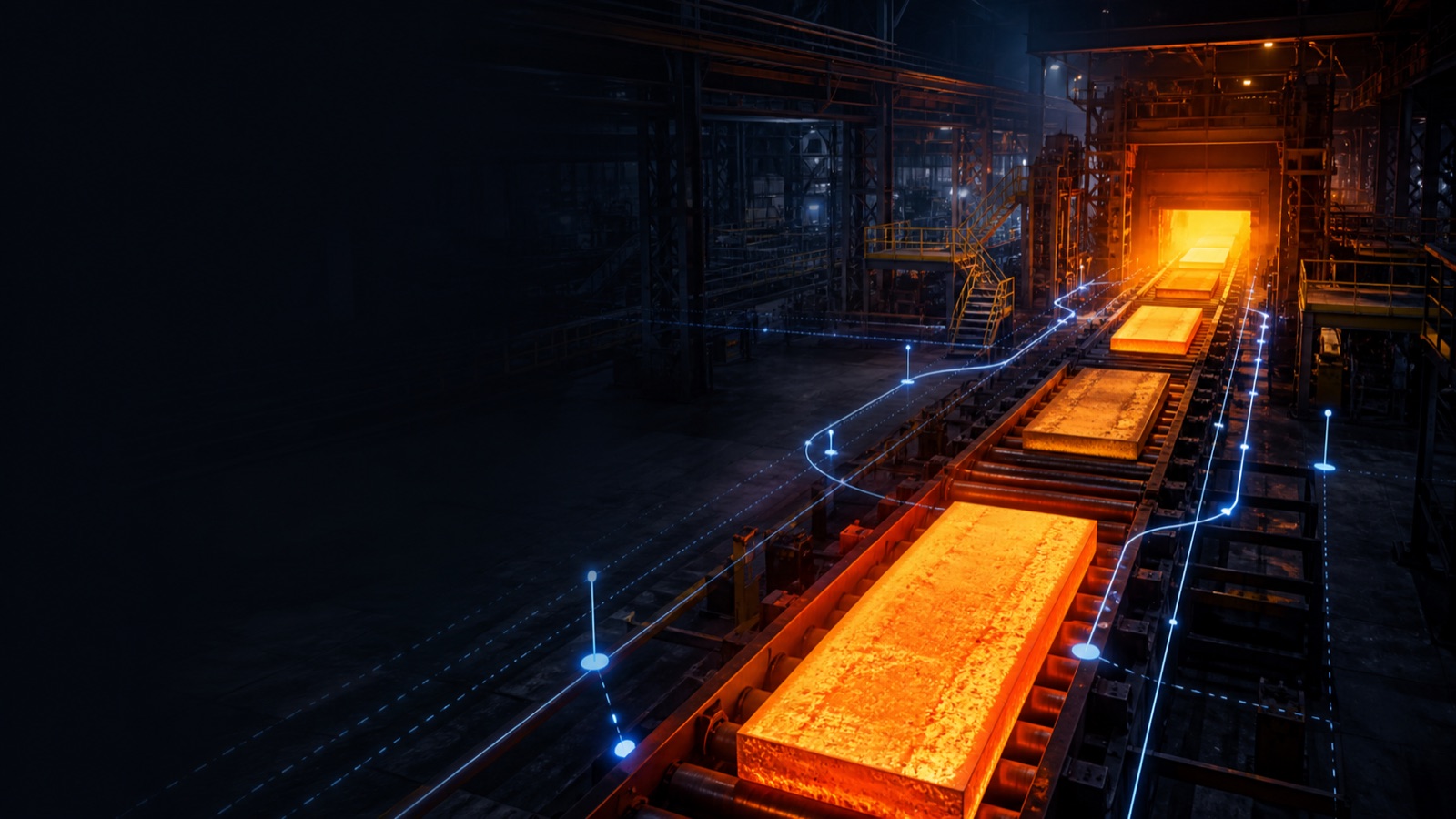
A plan that looks fine on paper isn't always a plan the floor can run
A sequence can be perfectly logical on a screen and still fall apart the moment it meets the shop floor — a slab isn't where it should be, it hasn't cooled or heated the way it was expected to, or an order suddenly jumps the queue. This is the gap this solution is built to close.
Plans meet reality
A sequence isn't truly ready until the material behind it is actually available, in the right place, checked, and at the right temperature — not just correct on a spreadsheet.
Disruptions don't wait
A cobble, a delay, a rush order, or a breakdown can't sit in a queue for hours. Production needs sound alternatives within minutes, not by the next shift meeting.
Every choice has trade-offs
Chasing one number — speed, energy, or yield — quietly costs you somewhere else. The right choice depends on what the business cares about most, right now.
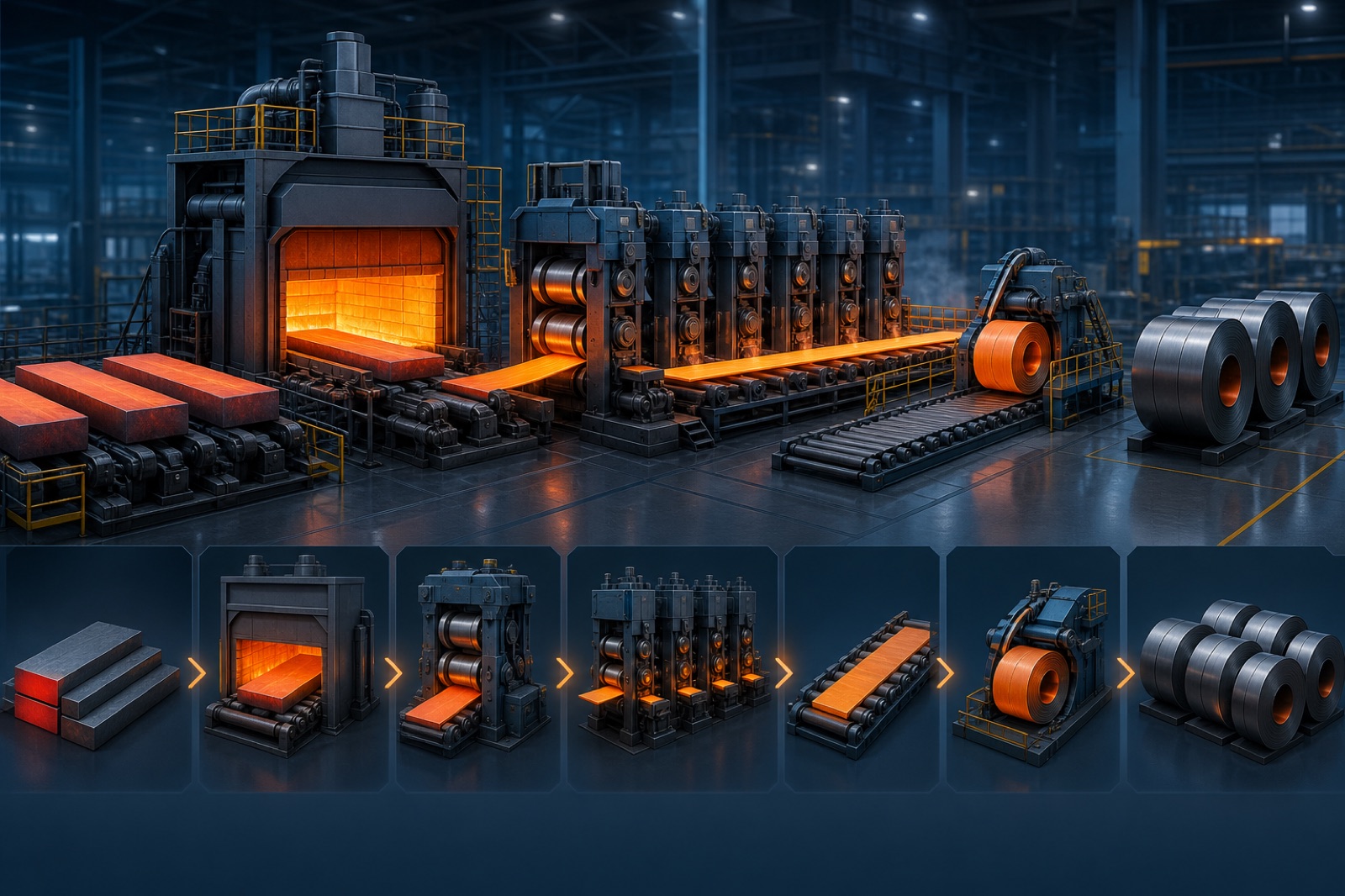
One thread, from the planning desk to the mill floor
The same sequence is shaped, checked, and confirmed as it moves from an idea on the planning screen to steel actually charging into the furnace.
Plan the shift
Planning builds a feasible slab-to-coil sequence for the upcoming shift, weighing delivery commitments, mill conditions, and material on hand.
Get the floor ready
That sequence goes to Production as a working plan, so the right slabs can be traced, checked, and lined up before anything is charged.
Confirm and release
Once the material is physically verified and ready, the sequence is finalised and handed to the mill's automation to run.
Watch and respond
While the sequence runs, it's checked against real conditions on the floor — and nothing changes without someone signing off on it.
It thinks the way your mill people already think
This isn't a generic scheduling tool retrofitted onto steel. It understands the things an experienced planner or shift in-charge already carries in their head:
What can follow what
Which grades, widths, and thicknesses can safely run one after another without upsetting quality or the mill itself.
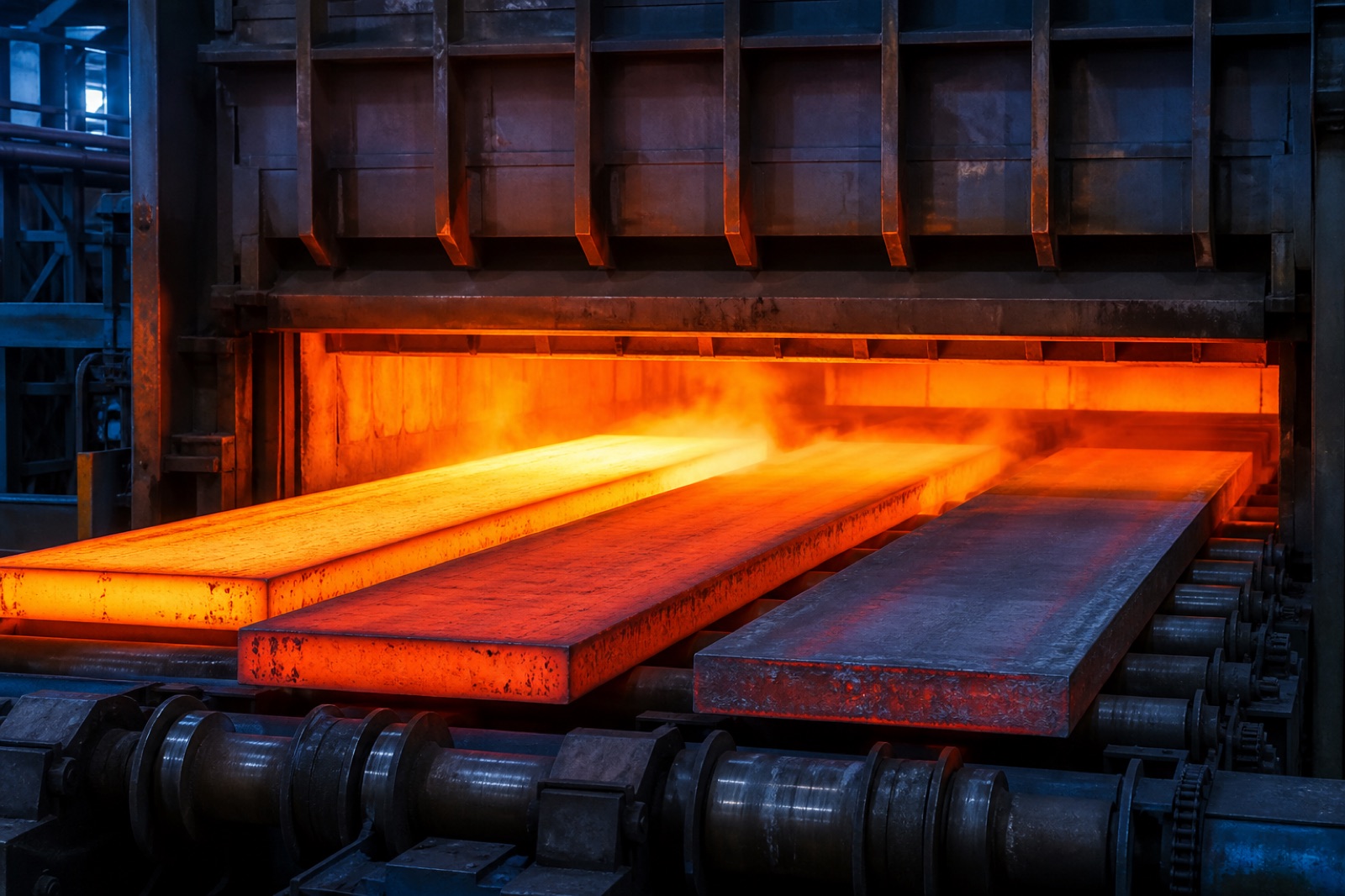
Heat has memory
How long ago a slab was cast, how much heat it has retained, and whether it needs extra time in the furnace before it's ready to roll.
Smooth campaign changes
Moving between hot, warm, and cold running without shocking the furnace, the rolls, or the schedule.
Wear and setup cost
The real cost of a roll change, a setup, or a run that risks a crop, a cobble, or a downgrade.
The same plan, seen from where you sit
Whether you're building the sequence, running the floor, or answerable for the plant's numbers, this is built to make sense from your seat.
"I need a sequence that actually holds up once it leaves my screen."
What it gives youA sequence built around real material and mill conditions, with the trade-offs laid out — and a chance to compare alternatives before you release anything.
"When something goes wrong, I can't wait around for a new plan."
What it gives youRanked, ready-to-use alternatives within minutes, with reasons you can act on — and the authority to decide yourself if Planning isn't reachable.
"I need to know the mill is making sound trade-offs, not just fast ones."
What it gives youVisibility into delivery, energy, yield, and cost trade-offs behind every decision, plus a full record of what was decided, by whom, and why.
"A quick fix upstream shouldn't become my problem downstream."
What it gives youEvery alternative is checked against quality and equipment limits before it's ever shown, so a fast decision doesn't quietly create a new one.
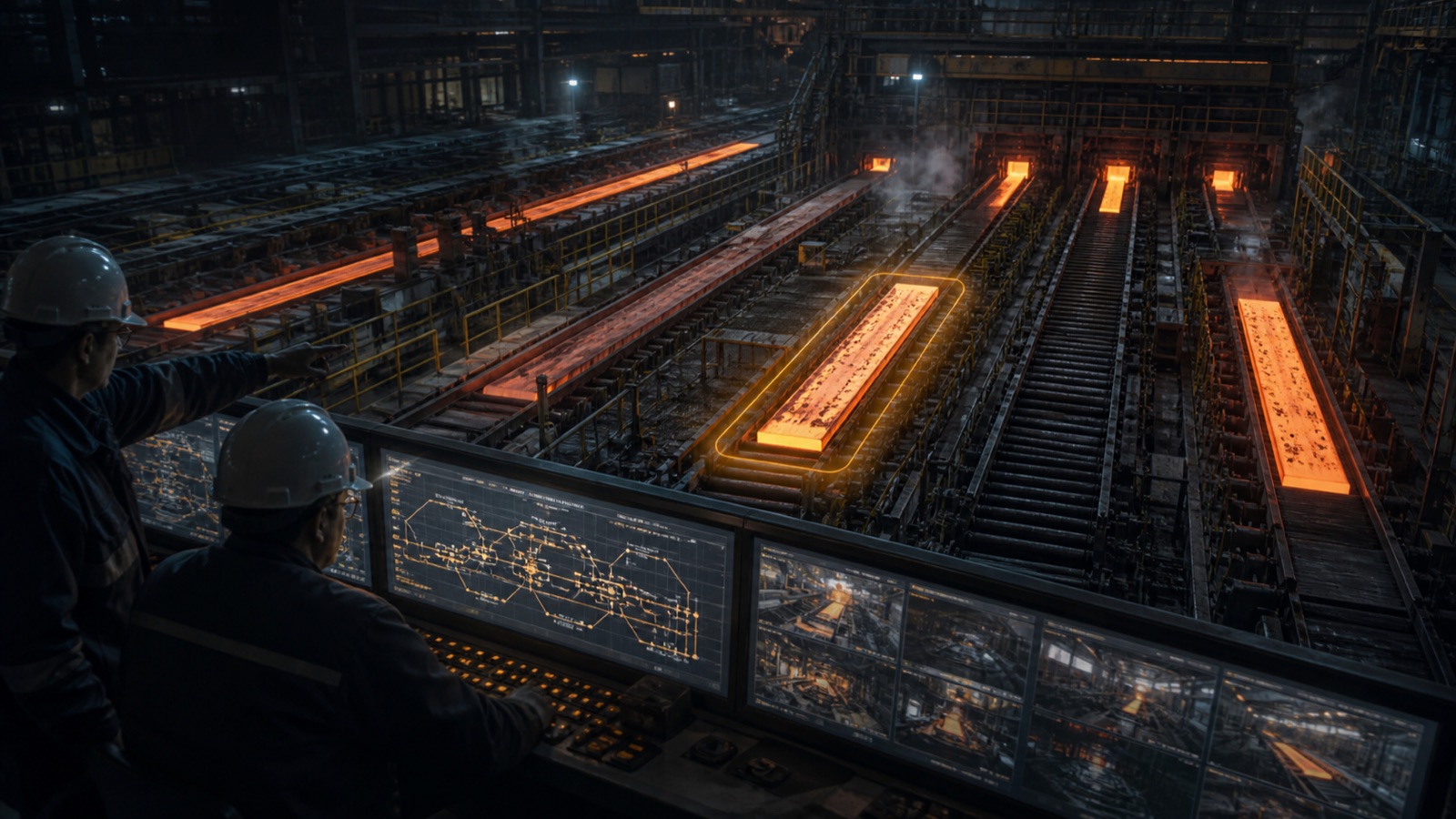
A cobble at 2 a.m. shouldn't mean guesswork
A slab cobbles on the line. In the old routine, someone calls Planning, someone else checks what else is available, and the mill either idles or improvises while the clock runs.
Here, the moment the disruption is flagged, the system already knows what else is ready, what it would cost to use it, and what it would mean for the orders behind it. Within minutes, Production has a short, ranked list of sound options — each with its trade-offs spelled out in plain terms.
Nothing runs on its own. A person reviews the options and approves the one that makes sense — and that decision is recorded, every time.
Two ways to begin, depending on where your plant is today
You don't need a full system overhaul to start seeing the benefit. There's a path for a smaller or less-connected plant, and a fuller path for a plant ready to connect it into everything else.
| Standalone | Fully integrated | |
|---|---|---|
| Best suited to | Smaller or less digitally connected plants | Larger, systems-integrated operations |
| Getting data in | Upload a spreadsheet or simple file | Flows in automatically from your existing systems |
| Day to day | Straightforward review and approval | Formal handover, escalation, and full audit trail |
| How current it stays | As current as your last upload | Continuously updated in real time |
| Where it can grow | Add deeper connections whenever you're ready | Already built to grow with the plant |
What changes for the plant, in terms everyone recognises
Fewer surprises at handover
Sequences that hold up because they were checked against real material and mill conditions before release.
Faster recovery
Minutes, not hours, between a disruption and a sound way forward for Production.
Smarter trade-offs
Decisions that weigh delivery, energy, yield, and cost together — visibly, not by instinct alone.
A clear record
Every plan, change, and approval kept on file — useful when you need to know what happened, and why.
Curious how this would work on your mill?
We'll walk through your current sequencing process and show where this fits — starting small if that's what makes sense for your plant.