Long Products · End-to-End Solution
One System, From Order to Shipment
A single, connected way to plan, schedule, and deliver — across steelmaking, casting, and rolling — built for how a long products plant actually runs.
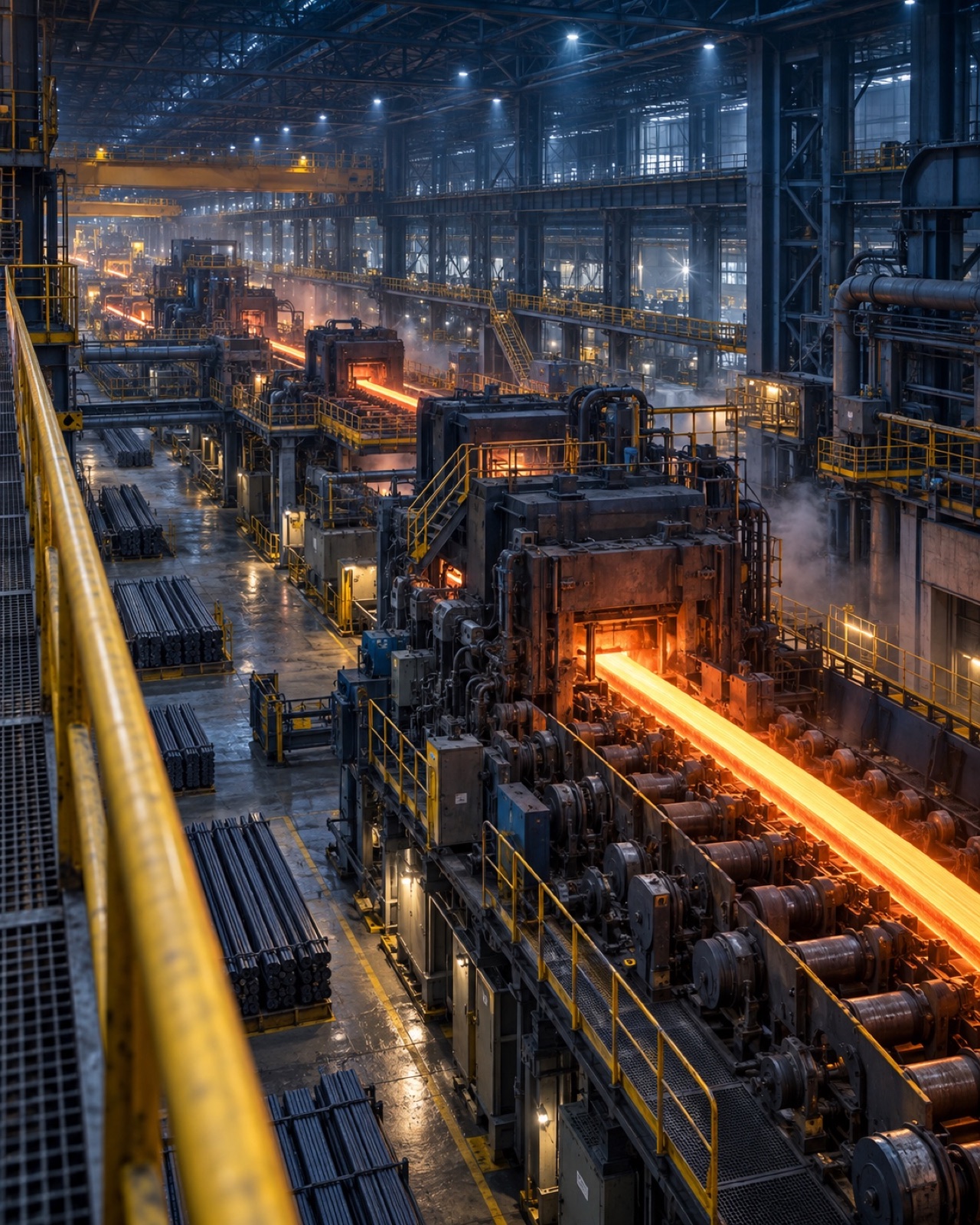
Why plants need this now
Right now, a sales promise is made one way, a heat is planned another way, and a rolling schedule is built almost independently of both. Everyone is doing their best with the information in front of them — but nobody has the full picture at once.
A due date is promised at the sales desk. A heat is aggregated in the melt shop. A mill sequence is built on the shop floor. Three good decisions, made by three capable teams — and they don't always add up to one good outcome for the customer, or for the plant's own cost sheet.
This isn't a failure of effort. It's a gap in connection. Closing that gap — without asking any one team to work differently, or trust their own judgement less — is the entire idea behind this solution.
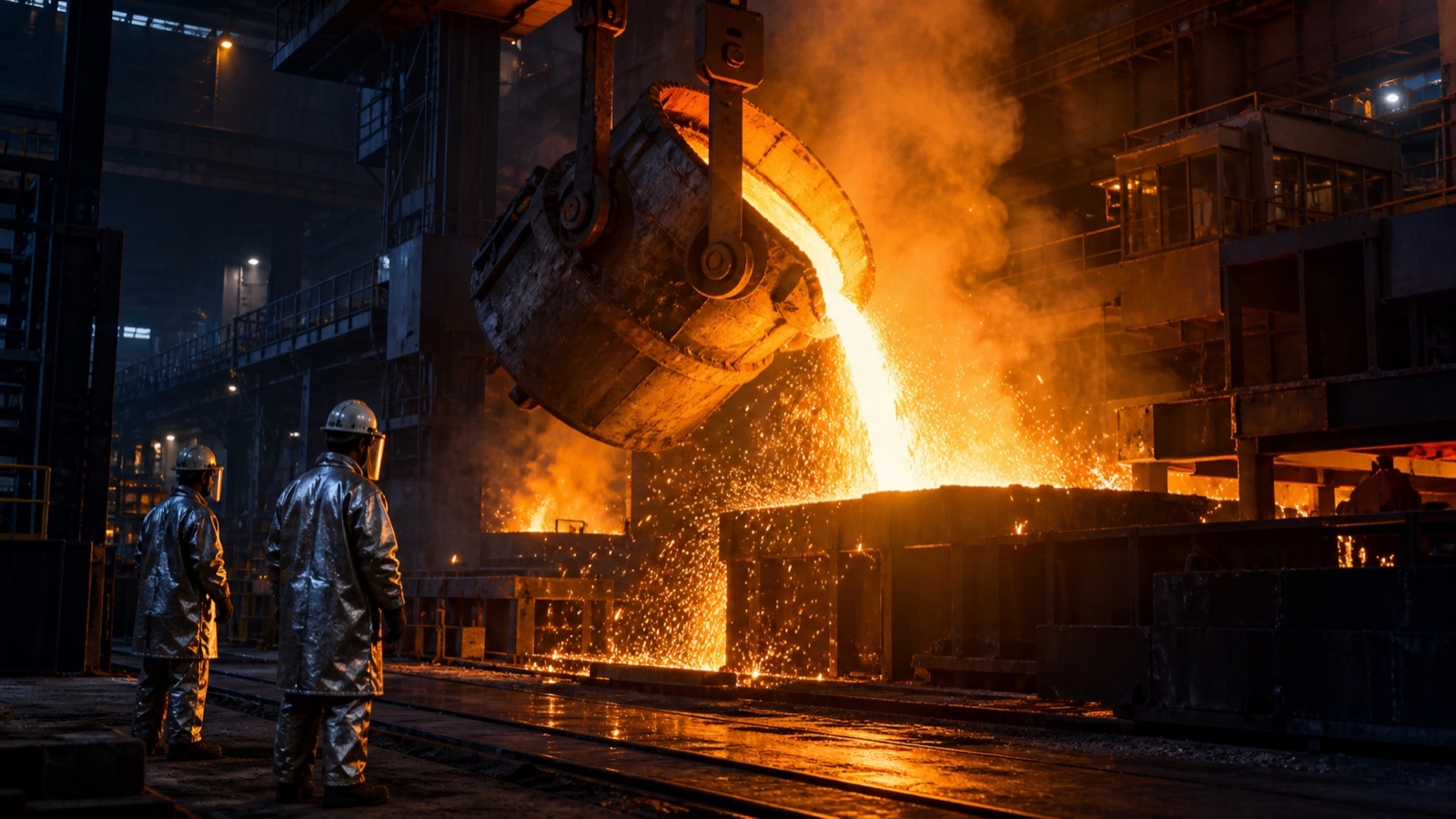
Four ideas at the heart of it
Nothing here replaces the people who run the plant. It gives them one shared picture to work from.
See the whole order, start to finish
From the moment a customer's order is booked to the day it's dispatched, everyone works off the same picture — not four different spreadsheets.
Every decision earns its keep
Hold or proceed, use existing stock or cast fresh — every recommendation is weighed against cost, delivery, and yield, not gut feel alone.
Built like building blocks
Each part of the system stands on its own and can run independently, or click into the bigger picture. Nothing is one giant, fragile machine.
Made for how the plant actually works
Converters, ladles, casters, mills, and yards — the system follows the real sequence of steel, not an idealized one.
What this means, at every level
The same solution answers a different question for everyone who touches it.
"Will I know what's coming next, and why the sequence changed?"
What changesA clear, live sequence for your shift — and a reason whenever it shifts.
"Am I chasing the plan, or is the plan chasing reality?"
What changesRecommendations that account for what's actually happening on the floor, not what was planned last week.
"Can I promise a date I can actually keep?"
What changesDates promised against real capacity — and updated honestly the moment something changes, before the customer has to ask.
"Are we improving, or just busy?"
What changesThe same handful of numbers, every day — utilization, on-time delivery, cost per tonne — visible to everyone who can move them.
How it comes together
Four moments, one connected thread from promise to shipment.
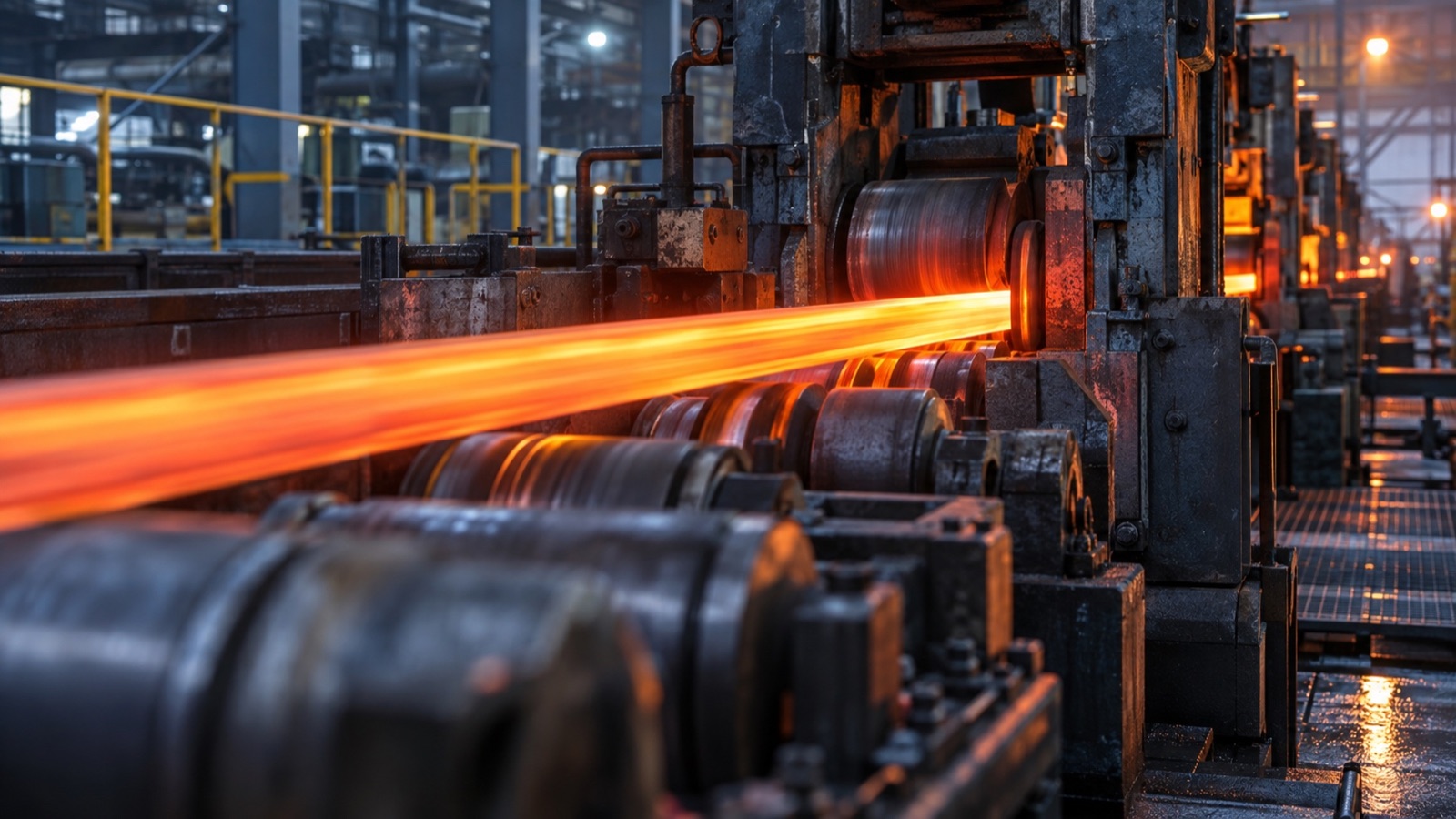
One thread, four hand-offs — each one visible to the next.
Promise with confidence
When an order comes in, the system checks real capacity and real stock before a date is promised — not after.
Plan the melt, cast the heat
Orders are grouped sensibly into heats, and the caster runs a sequence built to minimise waste and disruption.
Keep the mill in step
The rolling mill's schedule is built to receive billets exactly when they're ready — hot, warm, or from the yard.
Dispatch without surprises
Finished goods are tracked, matched to orders, and shipped — with full visibility, right back to the original promise.
A single order, told simply
This is the kind of moment the system exists for.

Picture a single order for 200 tonnes. Some of it can ship from stock already sitting in the yard. The rest needs a fresh heat — and that heat falls just short of a full batch.
In the old way of working, someone finds this out too late, or not at all. In this system, a planner sees the choice clearly — wait a couple of days for a matching order, or proceed now — makes the call, and the decision is remembered.
That's the whole idea: not to replace judgement, but to make sure judgement is never working blind.
See it against your own plant
We'll walk through how this applies to your specific caster, mills, and order book — no generic pitch.